Article: Devil's Ivy + Pothos Care
Devil's Ivy + Pothos Care
Devil's ivy, also called pothos or Epipremnum, is the most forgiving indoor plant we grow. Give it bright indirect light and water when the top half of the potting mix is dry, erring on the dry side rather than wet. It copes with lower light, missed waterings and dry air better than almost any other indoor plant, and trails from a shelf or hanging basket or climbs a totem.
Our devil's ivy
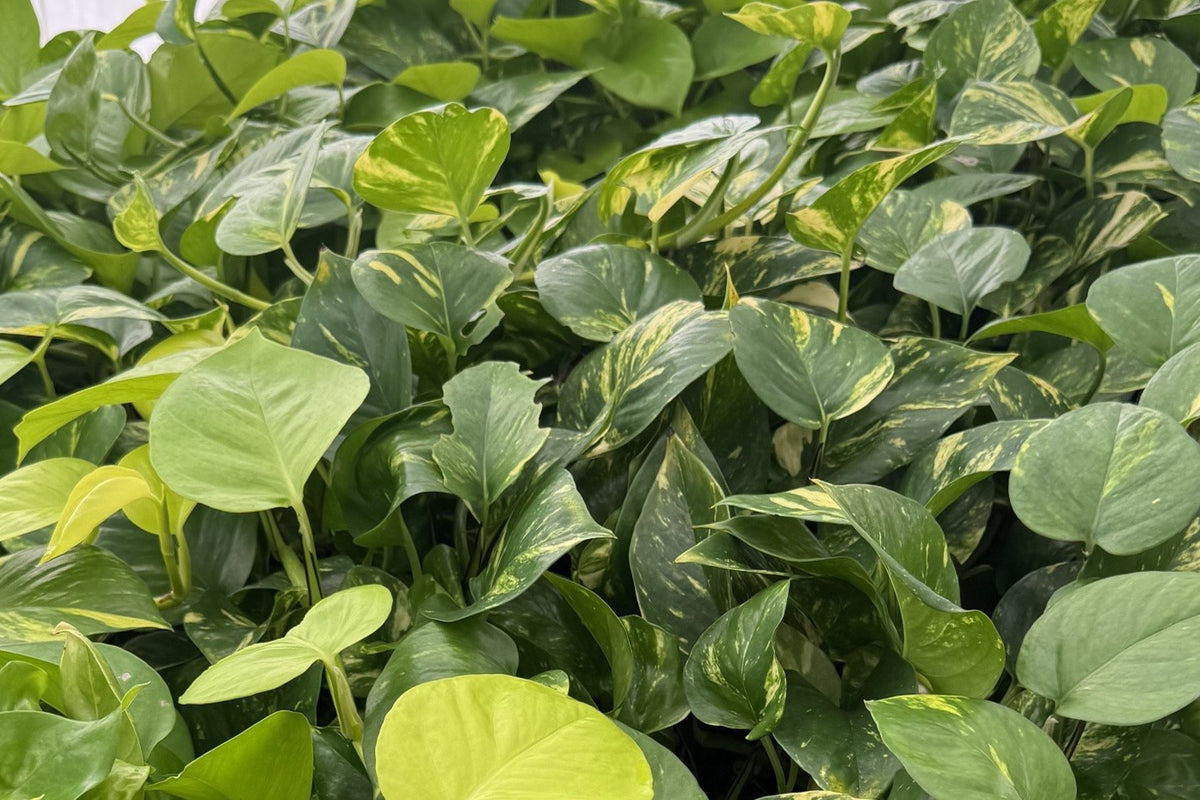
Epipremnum aureum, golden devil's ivy, has glossy, heart-shaped green leaves marbled in yellow, on long trailing stems.
Epipremnum Goldilocks has bright yellow-green leaves, and lights up a dim corner or shelf.
Epipremnum N'Joy is compact, with smaller green leaves edged and splashed in crisp white.
We also grow devil's ivy in hanging baskets and on totems. Browse the full range in our Devil's Ivy collection.
Watering
Water when the top half of the potting mix is dry, and if in doubt, wait. Push a finger into the mix: if it's still damp, leave it. Water thoroughly until it runs from the drainage holes, then let it drain, and never leave the pot standing in water.
In practice, that is about once a week in a bright, warm room in a Perth summer, and every two to three weeks in winter or in lower light. Devil's ivy recovers quickly from being left too dry: the leaves droop and lift again within hours of watering. Overwatering does more damage.
Light
Give devil's ivy bright indirect light, near a window but out of direct sun, which burns the leaves. In Perth, keep it out of afternoon sun through glass. It tolerates lower light than most indoor plants, though growth slows, the stems stretch, and the yellow and white in the leaves fades. Goldilocks and N'Joy hold their colour best in good light.
Leggy stems and pruning
In lower light, devil's ivy grows long, bare stems with leaves far apart. Cut a stem back just above a leaf, during spring or summer, and it branches from below the cut. Regular trimming keeps the plant full at the top rather than bare with long trailing ends.
Remove yellow or brown leaves as they appear.
Trailing and climbing
Devil's ivy trails naturally, from a hanging basket, a high shelf or the top of a cabinet. In the wild it climbs trees with its aerial roots, and in a pot it will climb a totem or moss pole, or follow hooks along a wall. Climbing plants grow larger leaves than trailing ones.
Yellow leaves
One or two older yellow leaves now and then is normal. Several yellow leaves at once, with damp potting mix, mean too much water: let the mix dry out further before watering again, and check the pot drains freely.
Humidity, air conditioning and heaters
Devil's ivy copes with dry indoor air, though it grows better with some humidity. Keep it out of the airflow from air conditioners and heaters, and mist it occasionally. Refrigerated air conditioning also dries the potting mix faster, so check it more often through summer.
Feeding
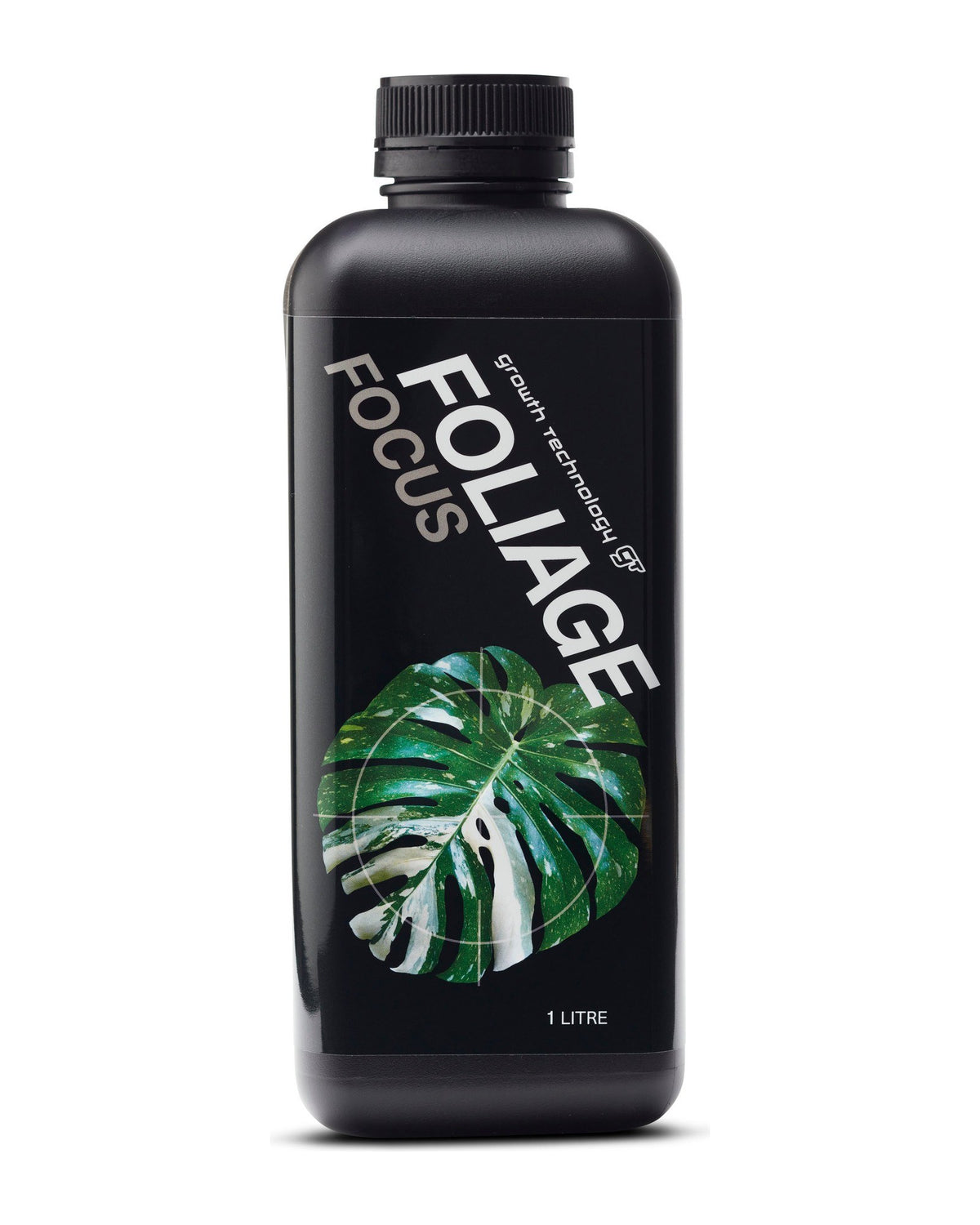
Feed through the growing season, from spring to the end of summer, and stop over winter. A liquid feed each month suits it. We recommend Growth Technology Foliage Focus or Plant Runner Indoor Plant Food.
Pots and potting mix
Use a specialised indoor potting mix, such as The Home Plant Co Indoor Potting Mix or Searles Indoor Potting Mix. Repot every couple of years, into a slightly larger pot only if the roots fill the old one.
Keep the plant in its nursery pot inside a decorative pot, where water can drain away from the roots. For devil's ivy in a nursery pot of 175mm or smaller, our Trio pots are the range to look at.
Cleaning the leaves
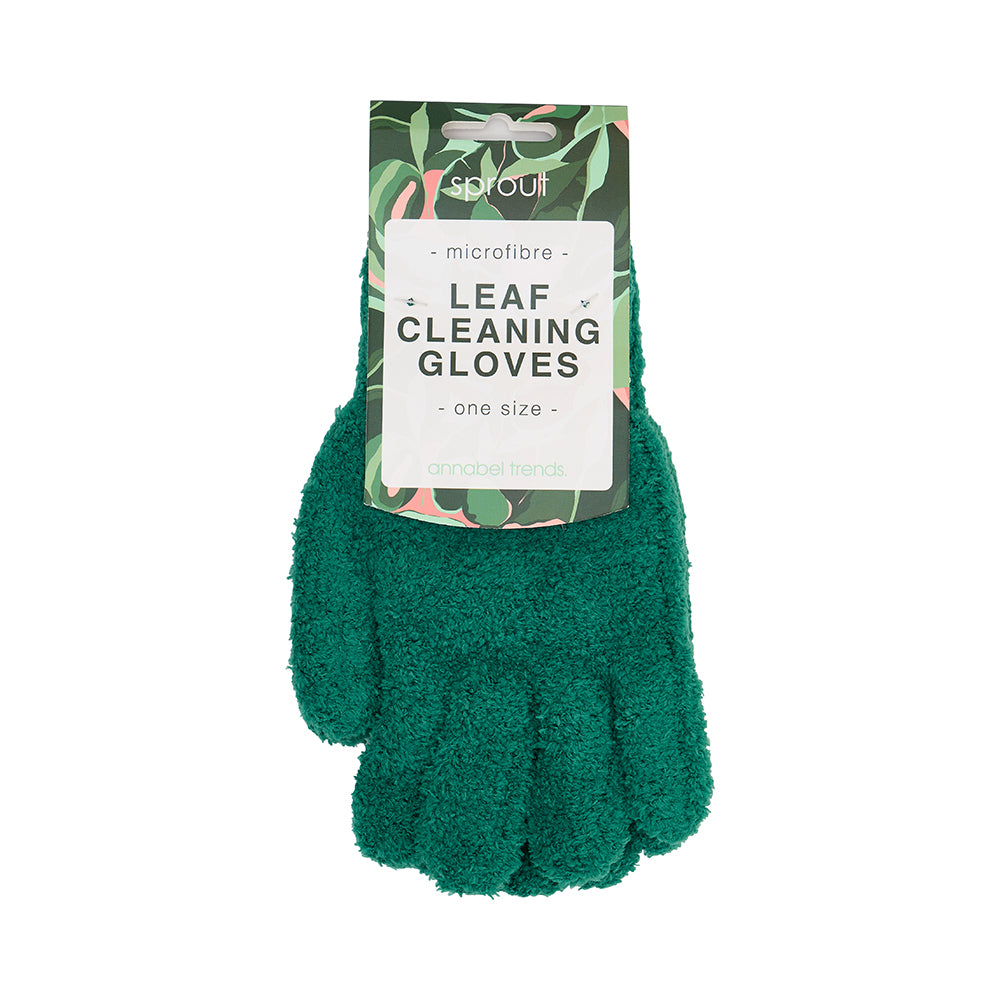
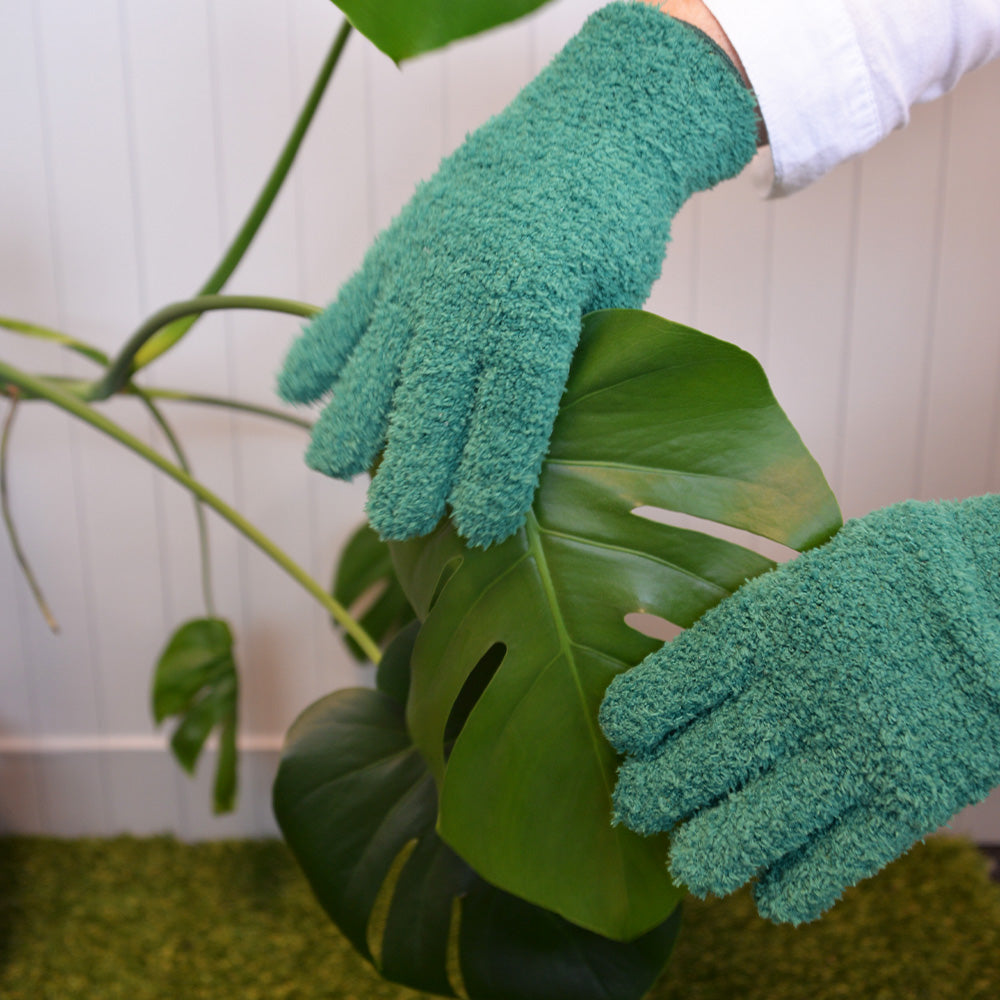
Wipe the leaves with a soft damp cloth to keep them glossy and dust free. Leaf Love Gloves and microfibre leaf cleaning gloves make it quicker.
Outdoors
Devil's ivy can go outside in a warm, shaded and sheltered spot, such as a covered patio, in a pot or hanging basket, out of direct sun. Keep it in its pot rather than planting it in the garden, and bring it back inside before the weather cools.
Pests
Mealybug and fungus gnats are the pests most often found on devil's ivy, and fungus gnats breed in potting mix that stays wet. If you find anything, bring a photo into one of our garden centres, or a leaf sealed in a zip-lock bag or container, and our team will tell you what it is and what to do.
Toxicity
Devil's ivy is toxic to pets and people if eaten. Keep plants out of reach of pets and young children.