Article: Ficus Care

Ficus Care
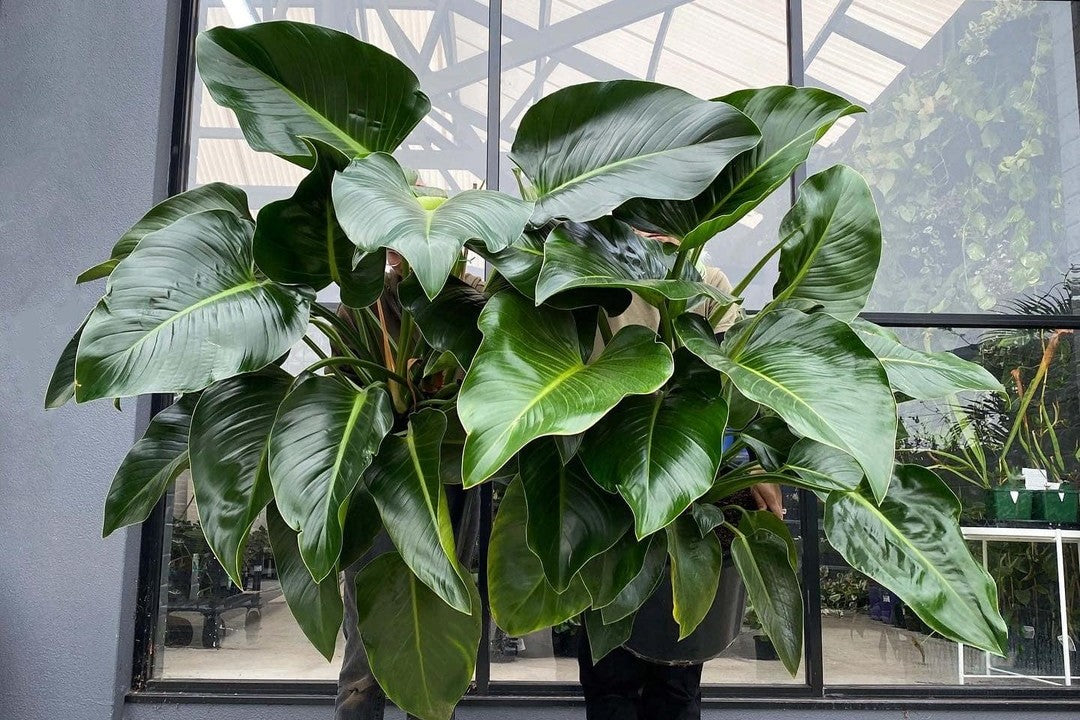
A ficus does best in bright indirect light, in a spot where it can stay, with water when the top half of the potting mix is dry. Many are just as happy outside under a deep eave or on a covered patio, and the varieties below note which suit it.
Ficus varieties
- Fiddle leaf fig (Ficus lyrata) grows upright and is at its best in a floor-standing pot, where it can reach 2 m or more. Bambino is the dwarf fiddle leaf fig, growing to about 1 m, and suits a covered outdoor entertaining area as well as indoors.
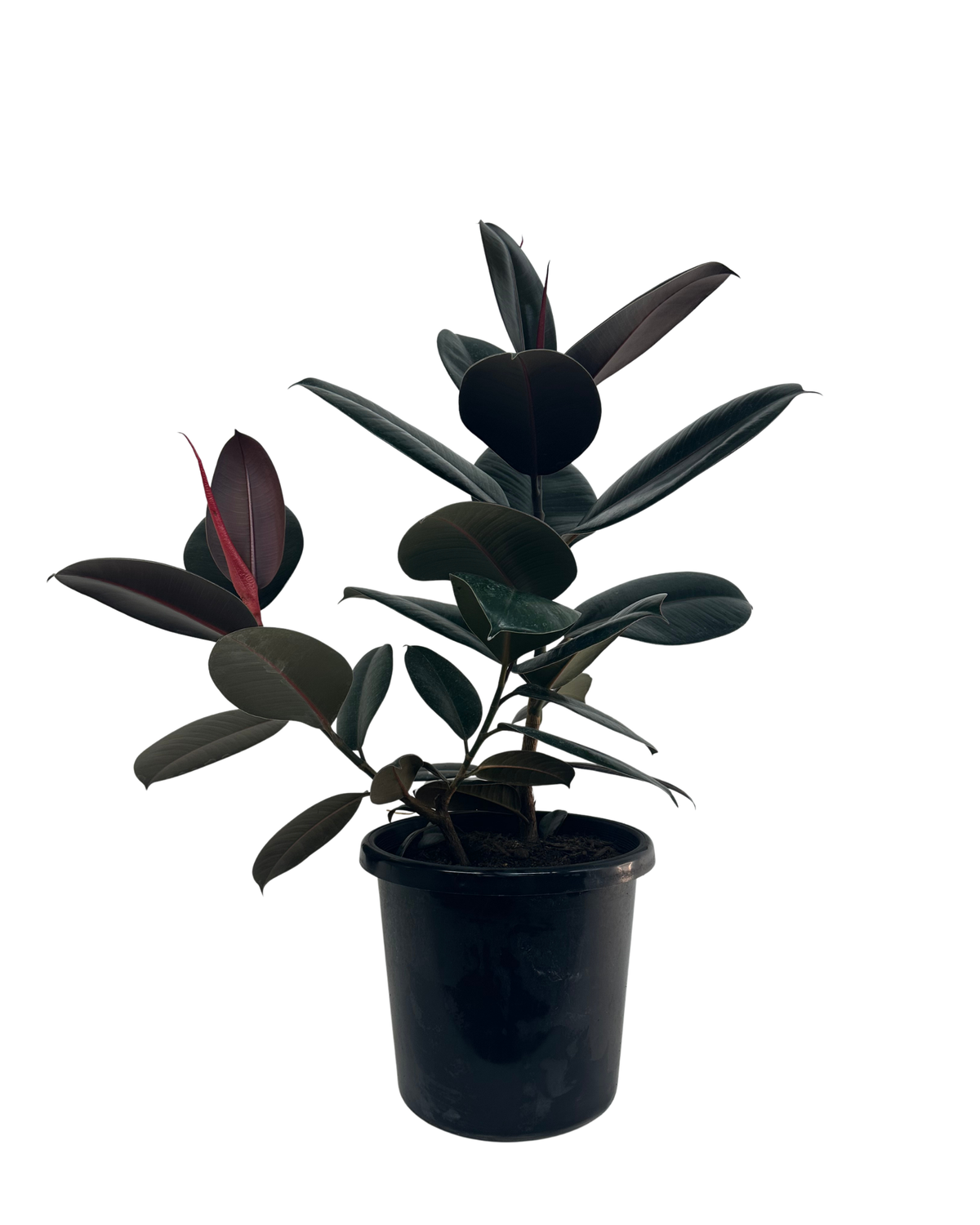
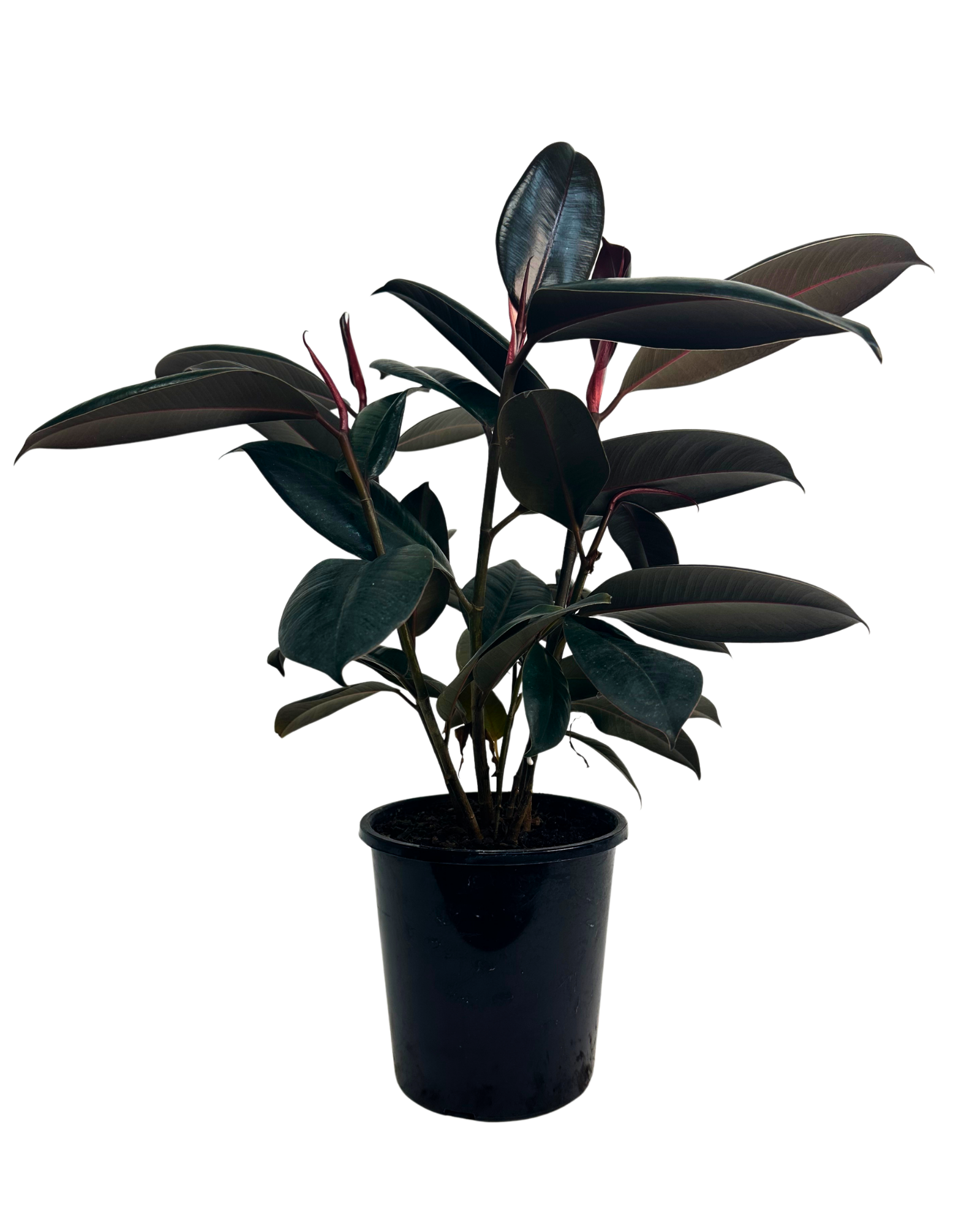
- Rubber plant (Ficus elastica). Burgundy is the most adaptable, coping with lower light though it does best near a big window. Ruby and Tineke are the variegated rubber plants and need a well-lit spot to hold their colour. All three grow to 2 to 3 m in a pot and suit a covered patio or verandah as well as indoors.
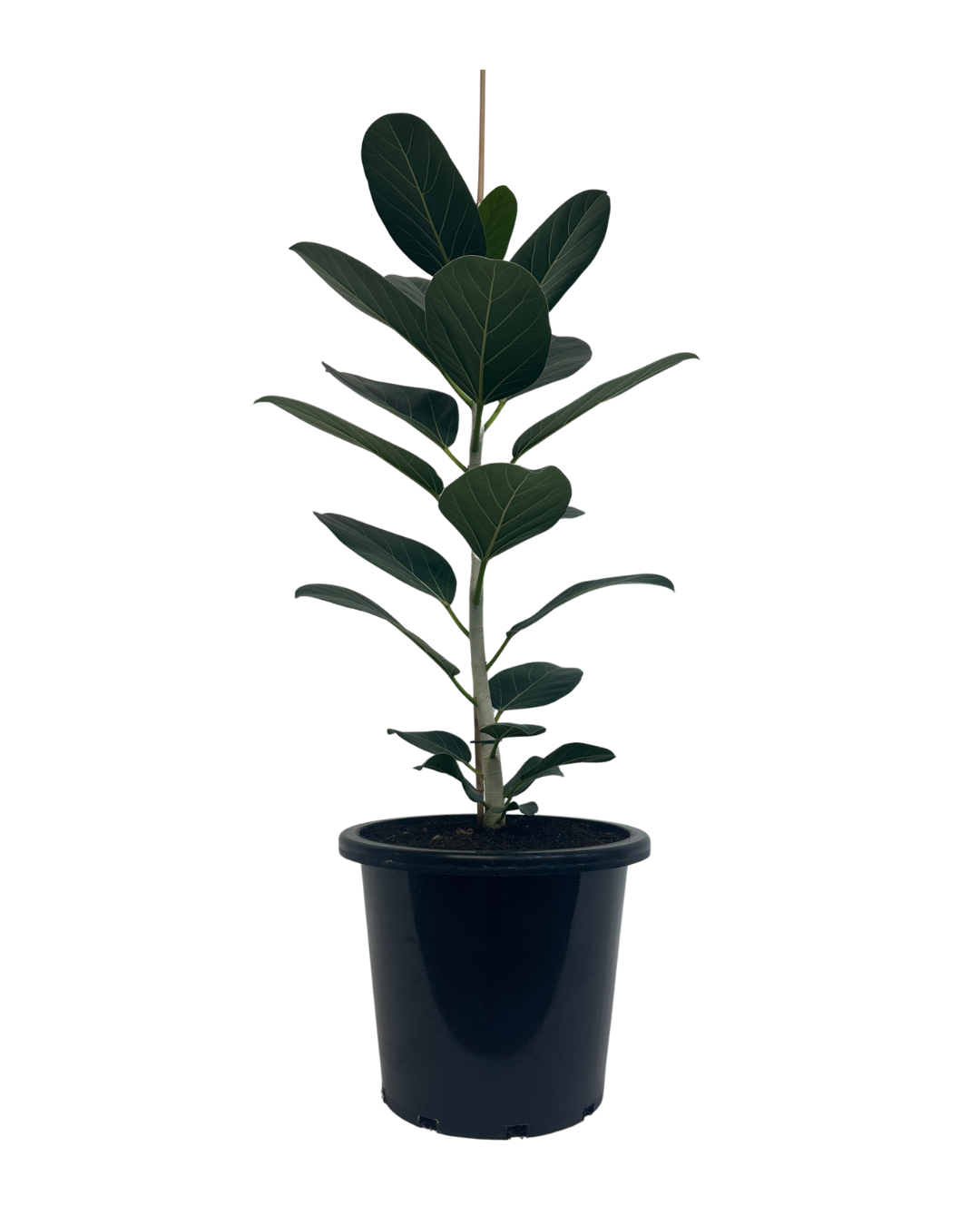
- Ficus Audrey (Ficus benghalensis) grows as an upright, branching tree to about 2 m indoors. It needs a bright spot and won't tolerate low light.
- Weeping fig (Ficus benjamina). Midnight Beauty, Midnight Petite and Evergreen need a bright spot indoors and are kept to size by pruning. Midnight Beauty resists leaf drop and suits a pot on a covered patio or deck.
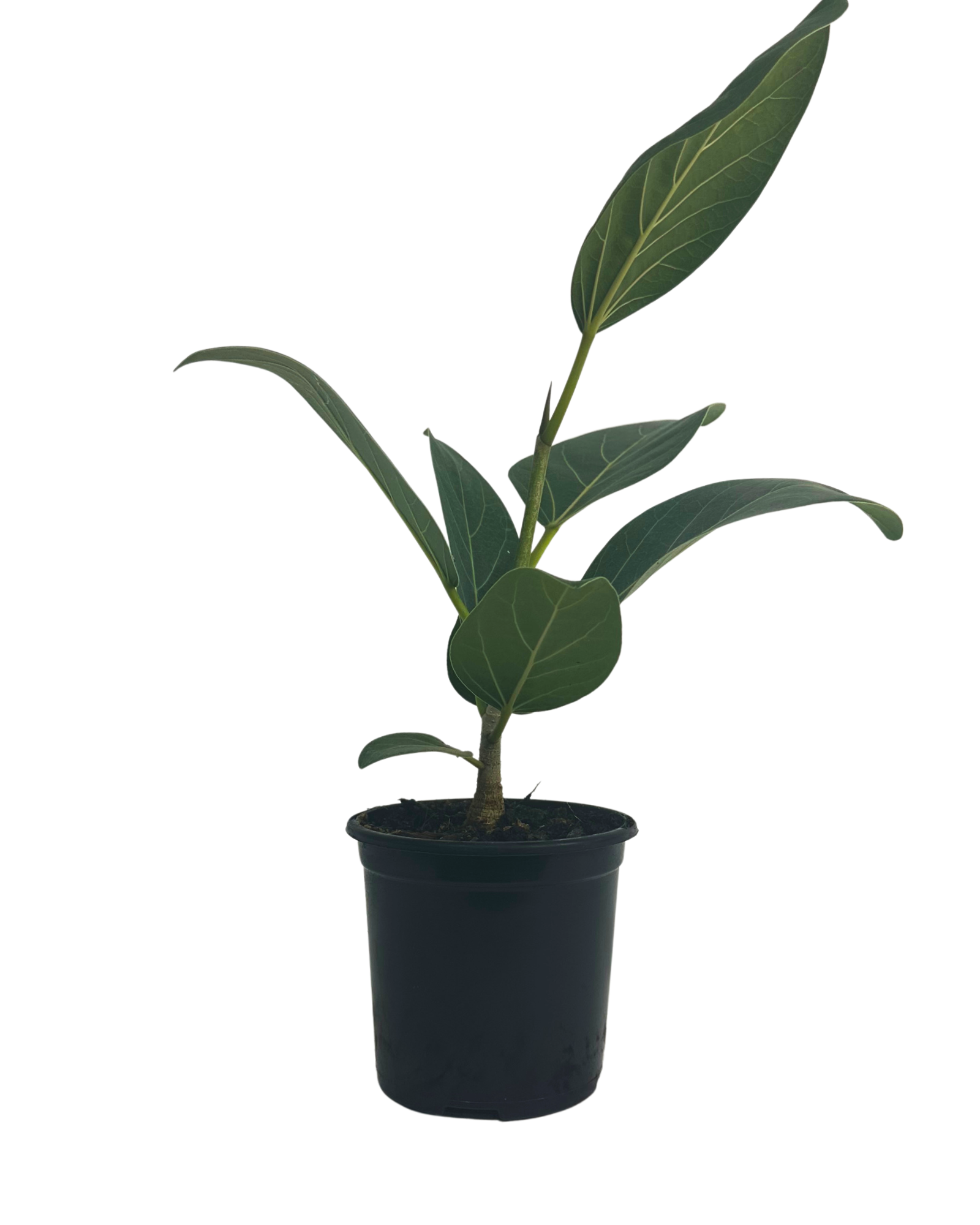
- Ficus Alii Petite (Ficus binnendijkii) is slow growing, to about 1.5 m, and resists leaf drop and lower light better than the rest of the range. It suits a pot indoors or on a covered patio.
- Ficus Umbellata wants a warm, well-lit spot and grows to about 1.5 m indoors. Let the potting mix dry out between waterings.
Browse the full range in our Ficus collection.
Light
Indoors, ficus want bright indirect light: a spot near a window where the sun does not land on the leaves for most of the day. Gentle morning sun is fine, and the fiddle leaf fig and the Burgundy rubber plant both do well with some. In Perth, afternoon sun through a window will burn the leaves, so a ficus never goes where the afternoon sun reaches.
Keep the plant back from the glass as well. A leaf touching or sitting close to a window can burn in direct sun even when the rest of the plant is fine.
Most ficus won't tolerate low light, and Ficus Audrey needs a bright spot more than any. Ficus Alii Petite copes with lower light better than the others. The variegated rubber plants, Tineke and Ruby, need the brightest spot to hold their colour.
Outdoors under cover
Outside, a ficus wants the protection a deep eave, a covered patio or a verandah gives it: bright light with shelter from the hot afternoon sun. Rubber plants, Ficus Alii Petite, Midnight Beauty and Bambino all suit a sheltered outdoor position.
Watering
Water when the top half of the potting mix is dry. Check with a finger below the surface, since the top dries first. When you water, water thoroughly until it runs from the drainage holes, then let it drain. Never leave the pot standing in water in a saucer or a cover pot.
Water more often through a Perth summer and less in winter, when growth slows. Ficus Alii Petite likes to dry out a little more between waterings, and Tineke needs less water than the other rubber plants.
Leaf drop
Ficus dislike being moved. Find the right spot and leave the plant there. A ficus moved to a new room, or brought home from the garden centre, often drops some leaves while it adjusts to the new light, and new growth follows once it settles.
Leaves that brown and fall without a move usually point to watering, either too much or too little, or to air from an air conditioner, a heater or a draughty doorway. Of the range, Ficus Alii Petite and Midnight Beauty are the most resistant to leaf drop.
Air conditioning and heaters
Keep a ficus out of the airflow from air conditioners and heaters, and away from draughts, since dry moving air damages the leaves. Refrigerated air conditioning also dries the potting mix faster, so a plant in an air-conditioned room needs checking more often through summer.
Turning the plant
A ficus grows toward its light, so a quarter turn of the pot keeps the growth even. The plant stays where it is; only the pot turns. A quarter turn each week suits the fiddle leaf fig.
Feeding
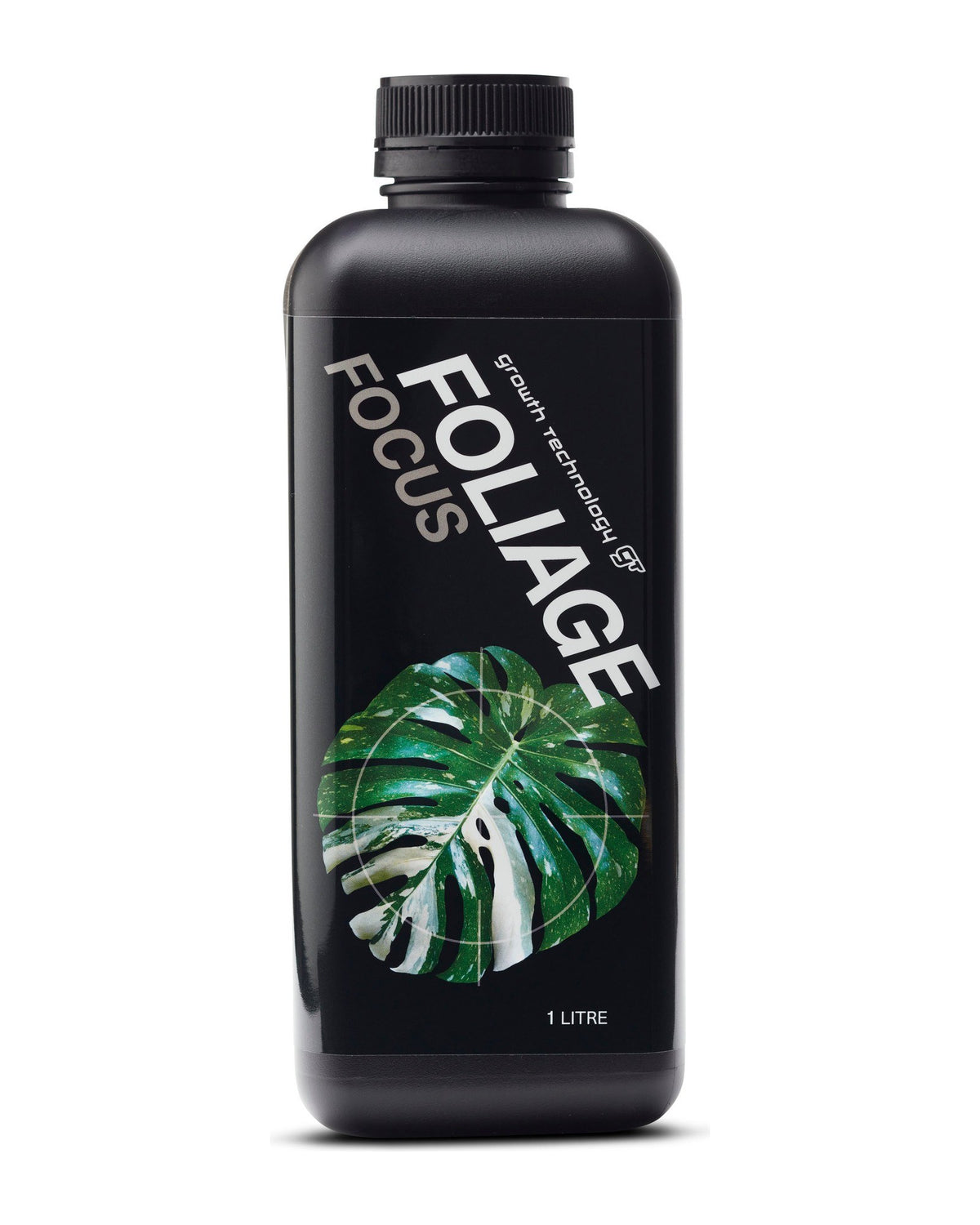
Feed through the growing season, from late spring to early autumn, and stop over winter. A liquid feed each month suits most ficus. We recommend Growth Technology Foliage Focus or Plant Runner Indoor Plant Food.
Pots and potting mix
Keep a ficus in its nursery pot inside a decorative pot, where water can drain away from the roots. When the roots fill the nursery pot, pot it up into a larger one with a well-draining premium potting mix. We recommend Waldecks Premium Potting Mix. Once a plant is too large to pot up, top up the potting mix instead.
For a larger ficus, Terreno is the range to look at, and each Terreno listing gives the nursery pot sizes it fits. Our indoor pots suit smaller plants.
Cleaning the leaves
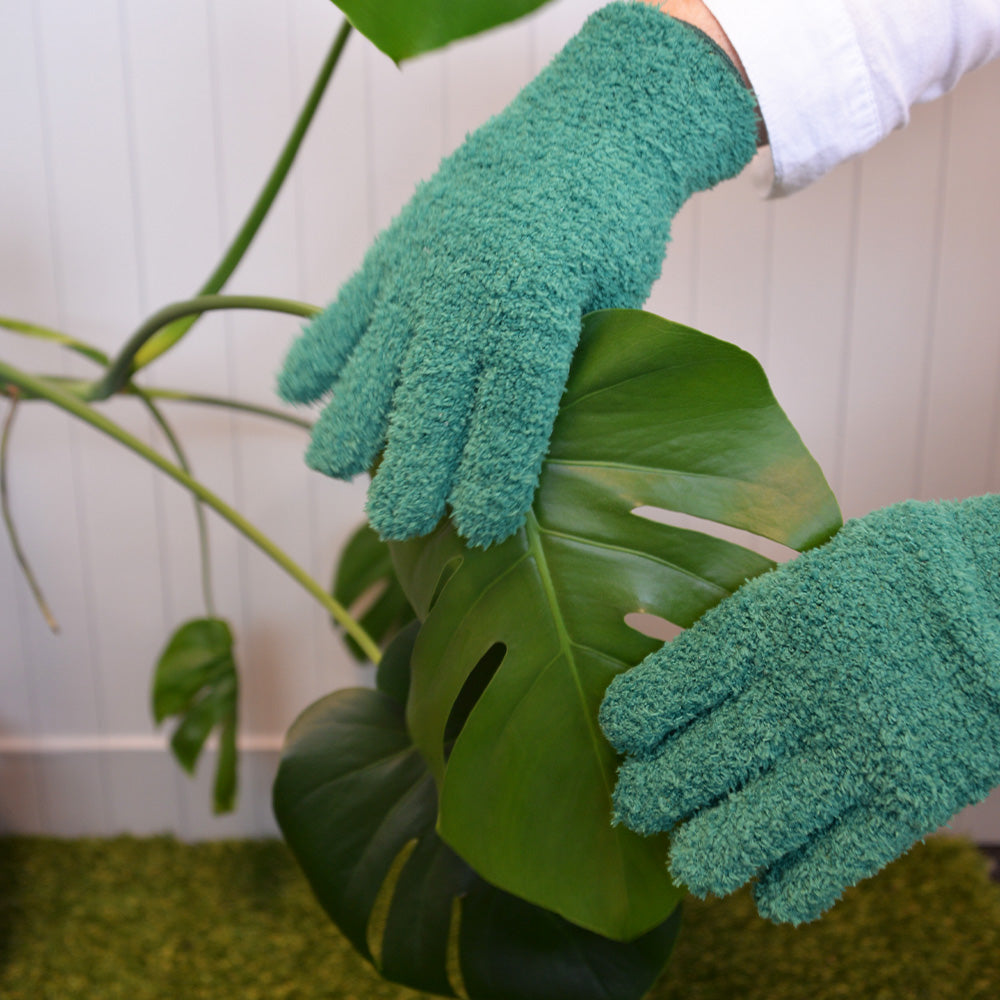
Dust on a ficus leaf cuts the light it takes in. Wipe the leaves regularly with a soft cloth to keep them clean and shiny. Leaf Love Gloves and microfibre leaf cleaning gloves make it quicker on a large plant, and Plant Runner Neem Oil Leaf Shine leaves a clean finish. While you're wiping, check the stems and the undersides of the leaves for pests.
Pests
Scale and mealybug are the pests most often found on ficus. Scale shows as small, round brown or black bumps on stems and leaves, sometimes with a black, sooty coating on the leaves. Mealybug looks like white cotton wool and can start below the soil, where it is easy to miss. A plant stressed by low light or dry conditions is the most likely to be affected. If you find either, bring a photo into one of our garden centres, or a leaf sealed in a zip-lock bag or container, and our team will tell you what it is and what to do.
Sap
Ficus have a milky sap that can irritate skin, so wear gloves when pruning.